

Have you ever wondered why a certain meal makes you feel calm and optimistic, while another leaves you feeling sluggish or anxious? It’s not just in your head. It’s in your biochemistry.
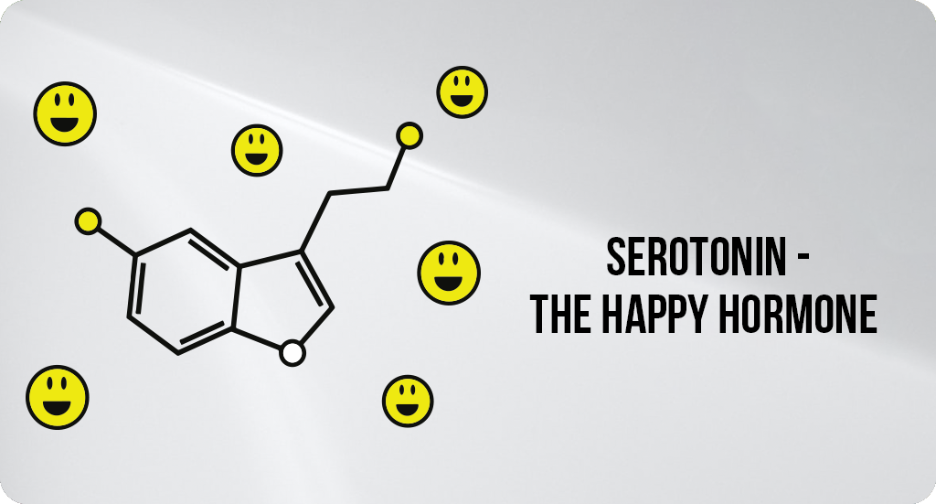
We often think of happiness as a state of mind, but for your body, it’s a chemical process. One of the most powerful players in this process is serotonin, often called the “happiness hormone.”


But here is the surprising part: 90% of your serotonin is made in your gut, not your brain.
This means your diet doesn’t just fuel your body; it directly dictates your mood. Understanding this connection gives you a powerful tool to improve your mental well-being, one meal at a time.
What Is Serotonin and Why Does It Matter?
Serotonin is a neurotransmitter—a chemical messenger that helps your brain cells communicate. It is responsible for regulating:
- Mood: Keeping you calm and focused.
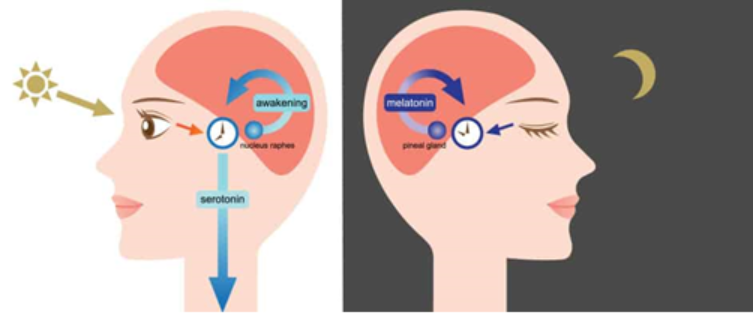
- Sleep: It is a precursor to melatonin, the sleep hormone.
- Digestion: It controls bowel function.
When serotonin levels are low, you might experience anxiety, sleep disturbances, fatigue, or intense cravings for sweets and carbs.
The Gut-Brain Connection: Where Happiness Begins
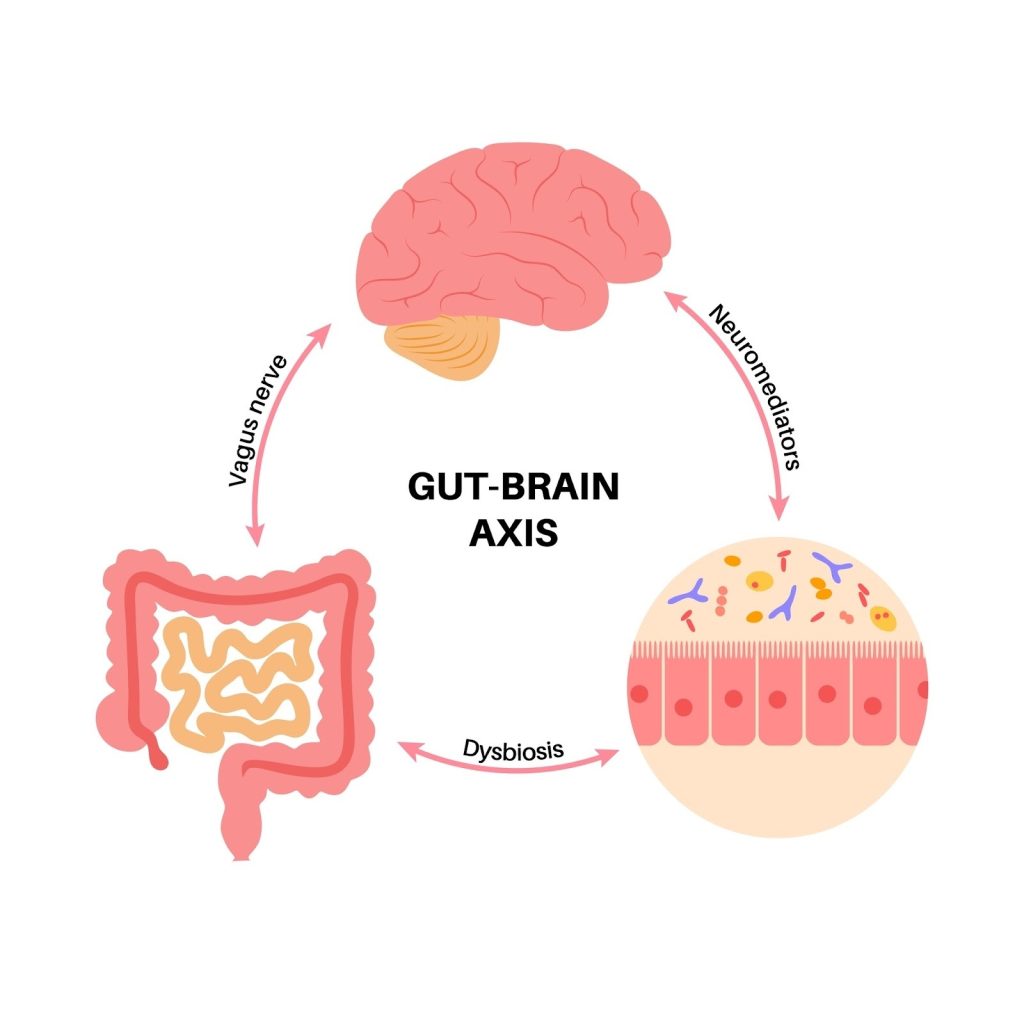
Because the vast majority of serotonin is produced in your digestive tract, your gut health is fundamental to your emotional balance. Your gut and brain are in constant conversation through the “gut-brain axis.”
If your gut is inflamed or unhealthy, your serotonin production drops. As nutrition expert Deepali Verma notes, “A healthy gut equals a happy mood.”
How to Eat for Better Serotonin Levels
Your body cannot make serotonin out of thin air. It needs a specific amino acid called tryptophan. However, tryptophan needs help to work. It requires a team of nutrients to be converted into happiness.
Here is your “happiness diet” checklist:
1. The Building Block: Tryptophan
You need protein-rich foods to provide the raw material for serotonin.
- Top Sources: Turkey, chicken, eggs (especially the yolk), cheese, nuts, and seeds.
2. The Delivery System: Complex Carbs
This is where many people get it wrong. Protein provides tryptophan, but carbohydrates are the vehicle that delivers it to the brain. Insulin released from eating carbs helps clear other amino acids from your blood, allowing tryptophan to enter the brain more easily.
- Smart Carbs: Sweet potatoes, oats, quinoa, and brown rice.
- Expert Tip: Pair a protein with a complex carb. For example, try oatmeal with nuts or lentil soup with whole-grain bread.
3. The Sensitivity Booster: Omega-3s
Omega-3 fatty acids help your brain’s serotonin receptors work better. They make your brain more “sensitive” to the serotonin you produce.
- Top Sources: Fatty fish (salmon, mackerel), flaxseeds, and walnuts.
4. The Gut Guardians: Probiotics
Since your gut is the factory, you need to keep the workers (your gut bacteria) happy.
- Top Sources: Yogurt, kefir, kimchi, and fiber-rich foods like bananas and garlic (prebiotics).
Lifestyle Habits to Boost Your Mood
Nutrition is powerful, but it works best in an environment of healthy habits.
- Sunlight: Vitamin D is crucial for serotonin production. Aim for 15-20 minutes of sunlight daily.
- Movement: Physical activity boosts the availability of tryptophan in the brain. Even a brisk walk helps.
- Sleep: Serotonin and sleep are a two-way street. Poor sleep lowers serotonin, and low serotonin ruins sleep. Prioritize a consistent sleep schedule.
The Takeaway: Happiness is Built Meal by Meal
Food does more than just satisfy hunger. Every time you eat, you are communicating with your brain. By choosing nutrient-dense, gut-friendly meals, you create the biochemical environment for happiness to flourish.
It’s not about a quick fix. It’s about consistency. A wholesome breakfast, a mindful lunch, and a gut-friendly dinner are small investments that compound into a happier, calmer you.
So, can food really make you happier? The answer is a resounding yes. When you care for your gut, your brain listens.