

For years, we treated the gut and the skin as two completely separate worlds. One dealt with digestion, the other with beauty. But science today paints a very different picture — a picture where your skin is often a mirror of what’s happening deep inside your digestive system. As a nutrition professional who has seen countless cases of acne, pigmentation, dullness, hair fall and premature ageing linked directly to gut issues, I can confidently say: glowing skin is an inside job.
This article will help you understand the gut–skin axis, why your digestive system impacts your complexion, and the exact nutritional and lifestyle strategies that can restore your glow from within.

The Gut–Skin Axis: How the Two Are Connected
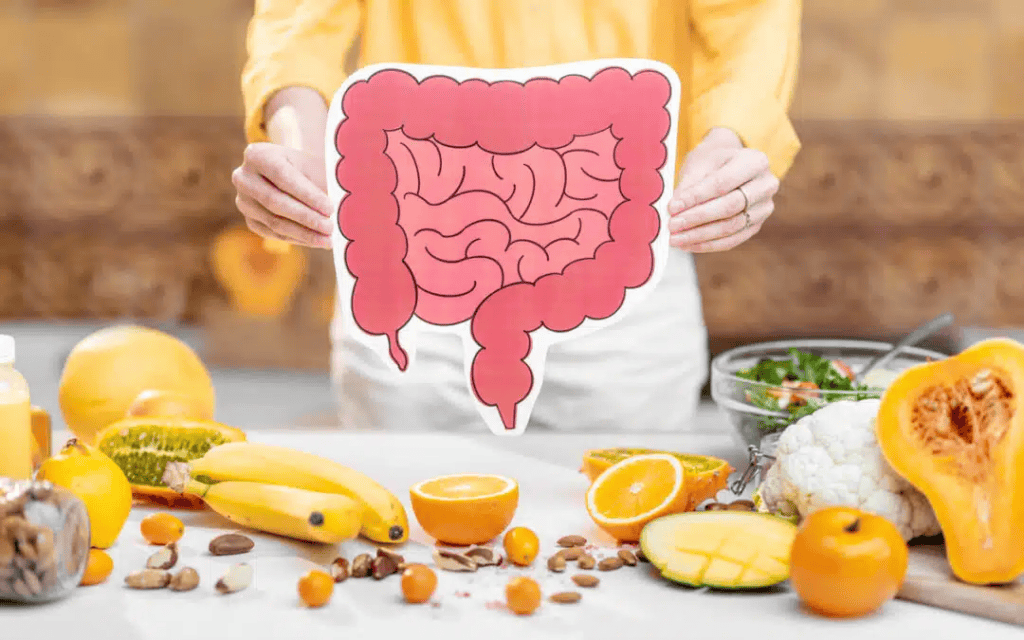
Your gut isn’t just a digestive tube. It is an ecosystem of nearly 100 trillion microbes — bacteria, fungi, and yeast — that control everything from nutrient absorption to hormone balance and inflammation. This ecosystem is called the gut microbiome.
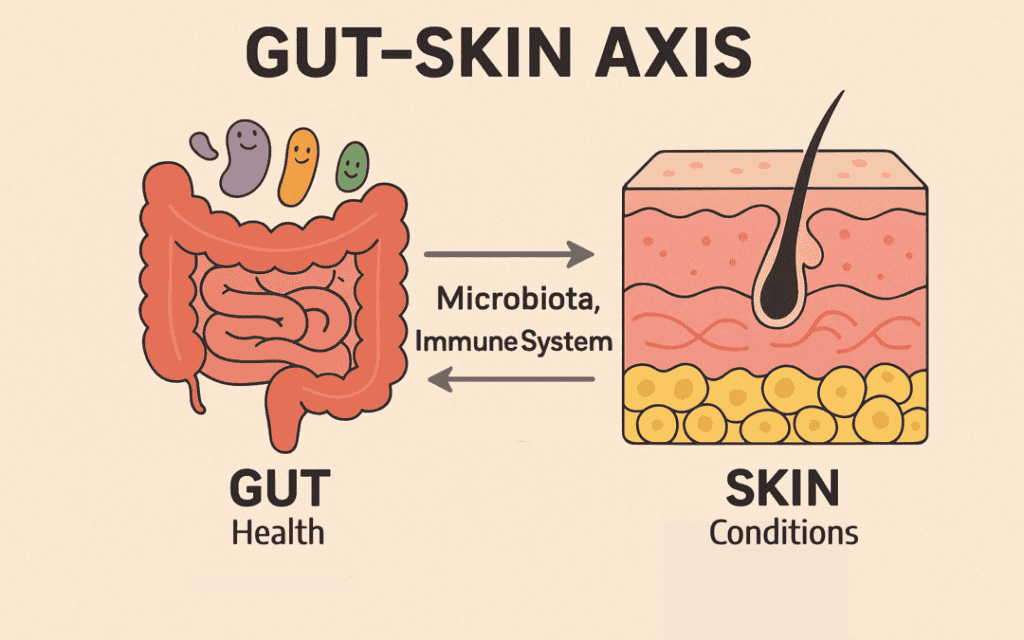
Here’s how it connects to your skin:
1. Gut Inflammation = Skin Inflammation
When the gut lining becomes weak (a condition often called “leaky gut”), toxins and undigested particles enter the bloodstream. The immune system reacts by creating inflammation — and your skin is one of the first places where this inflammation shows up. This can appear as:
- Acne
- Eczema
- Rosacea
- Psoriasis
- Hives
- Dull, tired skin
2. Microbiome Imbalance Disrupts Skin Barrier
A balanced gut supports a balanced skin microbiome. When your gut flora is disturbed — due to antibiotics, processed food, stress, or a low-fiber diet — your skin loses its protective barrier.
The result?
More dryness, redness, sensitivity, and early signs of ageing.
3. Hormones and Gut Health Go Hand in Hand
Your gut helps metabolize hormones like estrogen and cortisol.
When the gut is inflamed, the hormone-clearing process gets disturbed, leading to:
- Hormonal acne
- PCOS-related breakouts
- Mood swings
- Hair fall
4. Nutrient Absorption Happens in the Gut
Healthy skin needs vitamins A, C, D, E, omega-3, zinc, and protein. Even if your diet is good, a weak gut means poor absorption.
I’ve seen many people eat “healthy” yet struggle with skin because their gut simply can’t absorb what they are feeding it.
Common Gut Issues That Show Up on the Skin
Most people don’t even realize their skin concerns originate from the digestive system. You might relate to these:
1. Frequent Bloating, Acidity or Gas
Almost always linked with inflammation and microbial imbalance — both directly trigger acne and pigmentation.
2. Constipation
If waste isn’t moving, toxins circulate back into your bloodstream, causing dullness, pimples and breath issues.
3. Food Sensitivities
Dairy, gluten, and sugar are common triggers that irritate both the gut and the skin.
4. Stress-Induced Gut Dysfunction
Stress slows digestion, reduces stomach acid and changes the microbiome — leading to breakouts along the jawline and chin.
How to Heal Your Gut for Better Skin
Healing skin from within requires a holistic approach. Here is a practical, expert-backed plan you can follow.
Step 1: Remove Gut Irritants
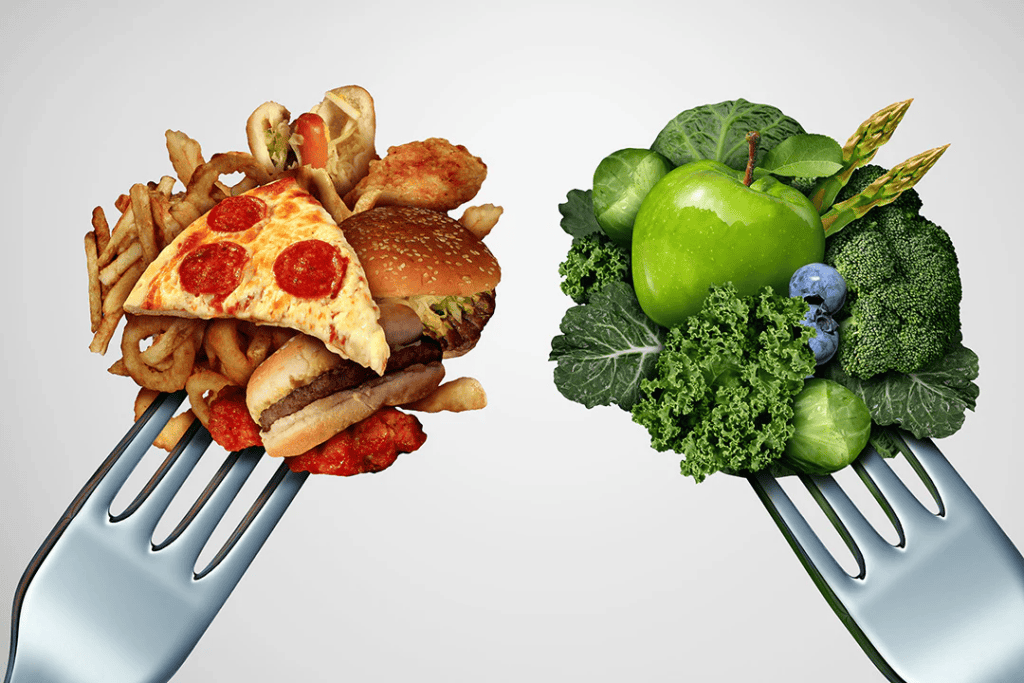
Before adding anything new, remove the triggers.
Avoid (or limit):
- Excess sugar
- Refined oil & fried food
- Packaged snacks
- Artificial sweeteners
- Excess dairy (especially for acne-prone individuals)
- Alcohol
- Overuse of painkillers
You don’t need to eliminate these forever — just reduce them while your gut heals.
Step 2: Repair the Gut Lining
Your digestive lining needs nutrients to rebuild. These foods help:
1. Bone broth or vegetable broth
Rich in collagen, glutamine and minerals.
2. Aloe vera juice
Soothes inflammation.
3. Banana, papaya, cooked apples
Gentle on digestion and rich in prebiotic fiber.
4. Omega-3 rich foods
Flaxseed, walnuts, chia seeds, fatty fish — they reduce inflammation.
5. Hydration
Water, herbal teas, coconut water — essential for skin elasticity and detoxification.
Step 3: Rebalance the Microbiome
This is the heart of gut healing.
Add good bacteria (Probiotics):
- Homemade curd
- Kefir
- Kanji (traditional fermented drink)
- Pickle brine (natural, non-vinegar)
- Probiotic supplement (if needed)
Feed the good bacteria (Prebiotics):
- Oats
- Garlic
- Onion
- Banana
- Sweet potato
- Whole grains
A probiotic without a prebiotic is like planting seeds without watering them.
Step 4: Support Digestion Naturally
Most gut issues start with poor digestion.
Try these habits:
- Eat slowly.
- Chew at least 20 times.
- Don’t drink water immediately before or after meals.
- Have a short walk after food to improve motility.
- Include small amounts of digestive herbs (jeera, ginger, ajwain).
Step 5: Manage Stress
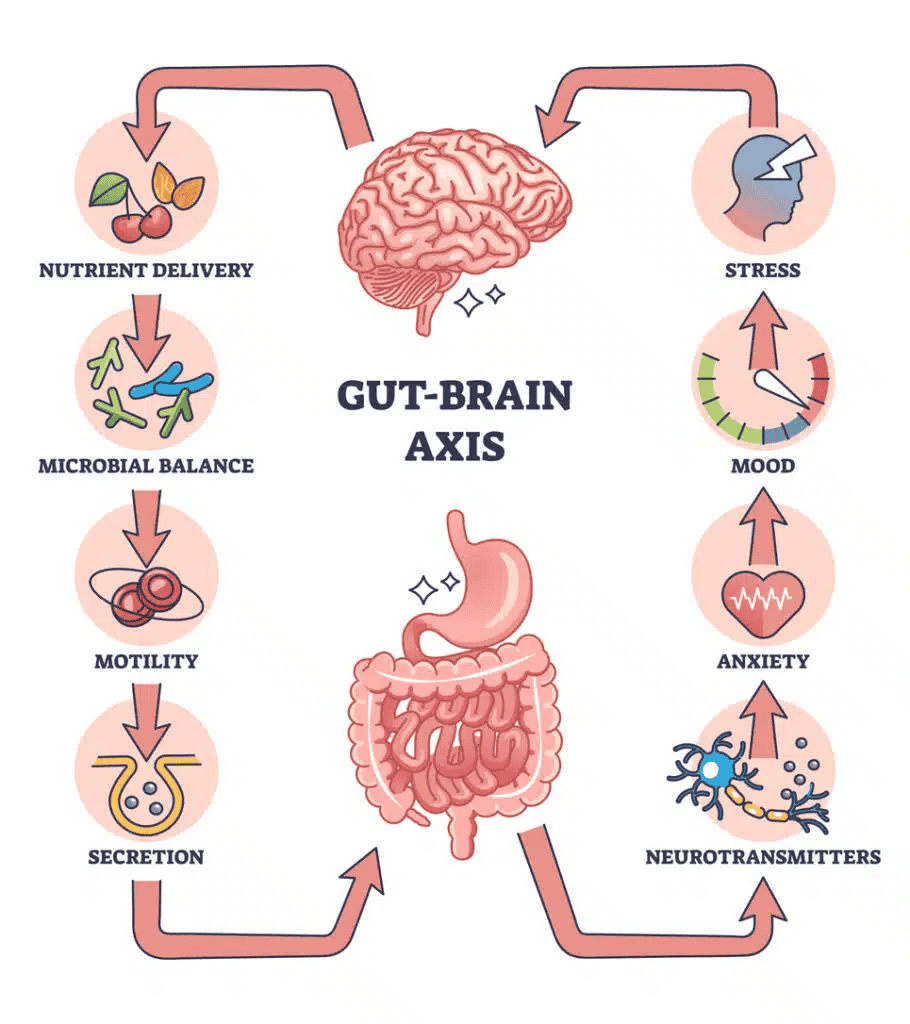
Your gut has its own nervous system (the enteric nervous system).
When you are stressed, your gut stops digesting properly — this is why emotional stress shows up as breakouts.
Use simple practices:
- 10 minutes deep breathing
- Meditation
- Reading
- Oil massage
- Sunlight exposure
- Cutting toxic people or environments
Even a small reduction in stress can create a visible difference in skin texture.
Step 6: Eat for Glowing Skin
Once your gut begins healing, nourish your skin from within.
Include these daily:
- Vitamin C: amla, oranges, kiwi
- Vitamin A: sweet potato, spinach
- Vitamin E: nuts & seeds
- Zinc: pumpkin seeds, chickpeas
- Protein: dal, eggs, paneer, tofu, curd, fish
- Healthy fats: ghee, avocados, seeds, nuts
Skin is 70% made of collagen. Collagen needs vitamin C + protein. If either is low, your skin will look dull.
Skin Care That Supports a Healthy Gut
While gut healing is the foundation, external skincare also matters.
What works best:
- Minimal, non-toxic routine
- Gentle cleanser
- Non-comedogenic moisturizer
- Sunscreen (daily, even indoors)
- Occasional exfoliation
- Avoid overly drying acne treatments
Your skin heals when it is not irritated.
Signs Your Gut Is Healing
Clients usually begin to experience:
- Better digestion
- Reduced bloating
- More energy
- Less craving for sugar
- Clearer skin tone
- Fewer breakouts
- Brighter eyes
Skin transformation usually starts showing in 4–12 weeks, depending on the severity.
Final Words: Beauty Begins in the Gut

Most people focus on creams, serums and facials — but ignore the root.
When your gut is balanced, your skin naturally becomes clearer, softer and more radiant. True skin healing happens when you nourish your body from within, support digestion, manage stress and follow a wholesome, nutrient-rich diet.
Healthy skin is not magic — it is a reflection of harmony in the gut, hormones and emotions. And when these three align, your natural glow becomes effortless.